Computer Vision: Teaching Machines to See
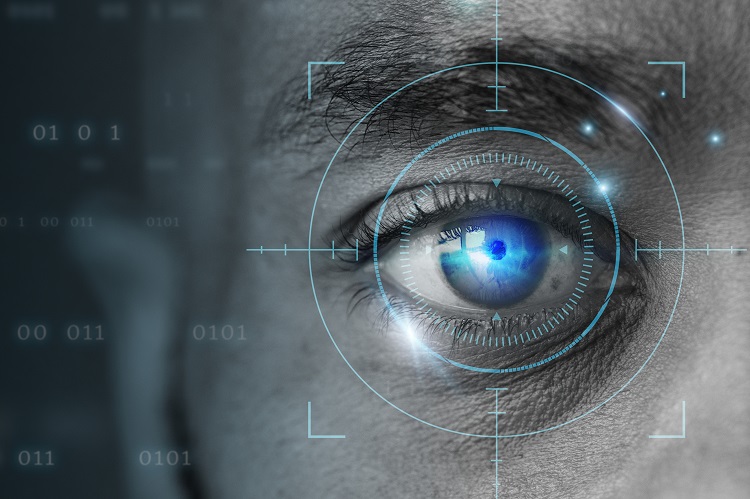
In the digital age, machines are not just processing numbers, they are learning how to interpret and understand the world visually. Computer Vision (CV), a powerful branch of Artificial Intelligence (AI), focuses on teaching machines to analyze and interpret images and videos, just like humans do. From facial recognition on smartphones to medical imaging in hospitals, computer vision is driving innovations across industries.
This blog explores how computer vision works, its applications, benefits, challenges, and what the future holds for this cutting-edge technology.
Understanding Computer Vision
Computer vision enables machines to recognize, process, and act upon visual data. Unlike simple image processing, which involves basic manipulations such as resizing or filtering, computer vision goes deeper—extracting meaning and context from images.
For instance, when you upload a picture on social media, computer vision algorithms can detect faces, tag friends, and even recommend filters. Similarly, in healthcare, computer vision assists doctors in analyzing X-rays and MRI scans more efficiently than ever before.
For learners, diving into computer vision is often part of an ai certification in pune, where they explore how AI enables machines to perform tasks once thought exclusive to human intelligence.
How Computer Vision Works
Computer vision systems rely on a combination of advanced algorithms, machine learning, and neural networks to interpret visual data. The process usually involves three key steps:
Image Acquisition – Collecting visual input through cameras, sensors, or scanners.
Image Processing – Enhancing and filtering the image to prepare it for analysis.
Interpretation – Using AI models to classify, detect, and understand objects within the image.
Deep learning, a subset of machine learning, has significantly boosted the capabilities of computer vision. Convolutional Neural Networks (CNNs), for example, mimic the way the human brain processes visual information, enabling systems to recognize objects with high accuracy.
For those considering an ai institute in pune, understanding CNNs is a fundamental part of learning computer vision and how it powers everything from autonomous vehicles to smart surveillance.
Applications of Computer Vision
The applications of computer vision span across multiple industries, making it one of the most transformative fields in technology today.
1. Healthcare
Computer vision assists in analyzing medical scans, detecting tumors, and supporting early diagnosis of diseases. This reduces the margin of error and helps medical professionals make faster, more accurate decisions.
2. Autonomous Vehicles
Self-driving cars rely heavily on computer vision to recognize traffic signs, detect pedestrians, and navigate safely in real time.
3. Retail and E-commerce
Retailers use computer vision for inventory management, automated checkout systems, and personalized shopping experiences.
4. Agriculture
Farmers apply computer vision for crop monitoring, pest detection, and yield prediction, leading to smarter farming practices.
5. Security and Surveillance
AI-powered surveillance cameras can detect suspicious activity, identify faces, and even prevent crimes before they occur.
These real-world applications demonstrate why computer vision is a vital area of study within an artificial intelligence course, providing professionals with in-demand skills for the future.
Benefits of Computer Vision
The adoption of computer vision offers significant advantages across industries:
Accuracy: Computer vision reduces human error in tasks like medical diagnosis or quality control in manufacturing.
Efficiency: Automating visual inspections speeds up processes, saving time and resources.
Scalability: Computer vision systems can handle massive amounts of data, something humans cannot achieve alone.
Enhanced Decision-Making: By providing real-time analysis, computer vision empowers faster and smarter decisions.
Improved Safety: From monitoring industrial environments to assisting in driver safety, computer vision enhances protection in daily life.
Challenges of Computer Vision
Despite its advancements, computer vision faces challenges that need to be addressed for wider adoption:
Data Requirements: Training computer vision models requires massive amounts of labeled data, which is often expensive to collect.
Bias Issues: Poorly trained systems may reflect biases present in the data, leading to unfair or inaccurate outcomes.
Complexity: Implementing computer vision solutions requires advanced technical expertise and infrastructure.
Privacy Concerns: Using computer vision in surveillance or personal devices raises ethical debates around data privacy and misuse.
High Costs: Developing and deploying large-scale computer vision systems can be expensive for small businesses.
While challenges exist, continued research and innovation promise to make computer vision more reliable, ethical, and accessible.
The Future of Computer Vision
The future of computer vision is brimming with potential. With advancements in AI and deep learning, computer vision systems will become even more sophisticated and accurate. Some trends to watch include:
Integration with Augmented Reality (AR) and Virtual Reality (VR): Enhancing immersive experiences in gaming, education, and training.
Smart Cities: Using computer vision for traffic management, waste monitoring, and public safety.
Advanced Robotics: Equipping robots with visual intelligence to perform complex tasks in manufacturing, healthcare, and space exploration.
Personalized Experiences: Retailers and service providers will offer highly customized experiences using visual AI.
Computer vision is revolutionizing the way machines perceive and interact with the world. From diagnosing diseases to enabling autonomous vehicles, the technology has far-reaching implications across industries. While challenges like bias, privacy, and high data requirements exist, the potential benefits and future opportunities far outweigh them.
As AI continues to evolve, computer vision will play an even greater role in shaping our daily lives. For students, professionals, and businesses, now is the right time to explore the world of computer vision and its endless possibilities.


